

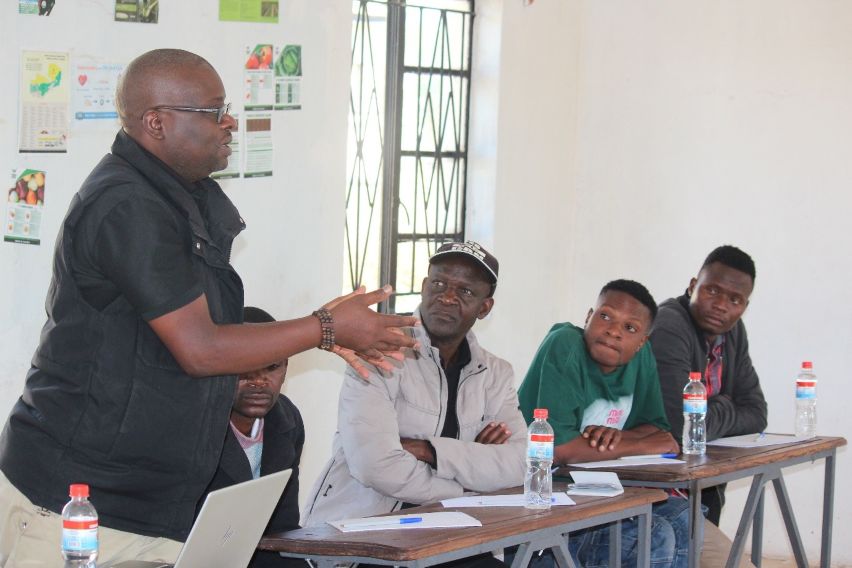
Agro-dealers and grain aggregators in Zambia’s Central Province are strengthening their business operations following a targeted capacity-building training held in Mkushi District.
The session brought together 10 small and medium agribusiness operators from Mkushi and Serenje districts, equipping them with practical skills in financial management, entrepreneurship, business planning, market analysis, and record-keeping to improve competitiveness and sustainability within the soybean value chain.
The initiative responds to persistent challenges affecting the sector, including weak aggregation systems, limited access to structured markets, high transaction costs, and inconsistent supply linkages between farmers, agro-dealers, and off-takers.
By strengthening business capacity at critical points in the value chain, the training aims to improve coordination, market connectivity, and overall enterprise performance.
The programme, facilitated by Musika with support from AGRA, forms part of the SICEMAZ project, implemented in collaboration with the Ministry of Agriculture to support the government’s Comprehensive Agriculture Transformation Support Programme (CATSP).
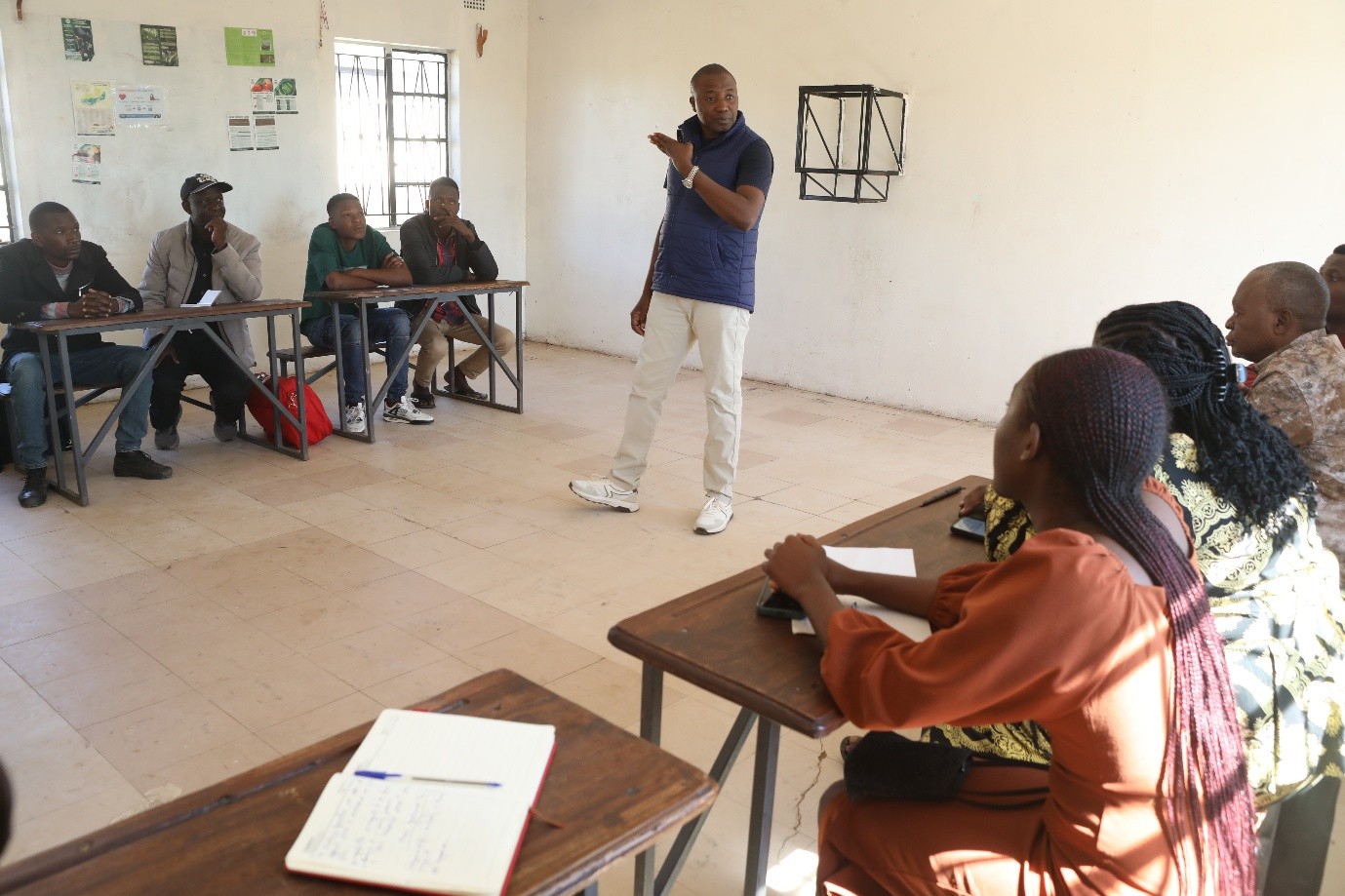
Speaking during the training, Musika Programme Coordinator, Timothy Sichilima, emphasised the importance of identifying operational gaps to improve performance: “It is important for businesses to understand their gaps, as this enables targeted improvement. Strengthening these areas, alongside facilitating market linkages, helps enterprises build more sustainable and competitive operations.”
Dr Mwaka Kayula highlighted the central role of financial discipline in business growth: “Strong financial management and accurate record-keeping are essential for tracking performance, making informed decisions, and improving access to financing.”
Another facilitator, James Chiwala, stressed the need for a broader business approach: “Record-keeping alone is not enough. Agribusinesses must invest in strategic planning, understand market dynamics, and continuously adapt to remain competitive.”
Participants noted that the training has strengthened their business knowledge and is expected to improve efficiency, accountability, and market engagement.

The initiative is expected to strengthen the performance of agro-dealers and aggregators, improve linkages across the soybean value chain, and support more inclusive and competitive agricultural markets in Zambia.


